Skipping annual air conditioning maintenance in Sugar Grove is one of the most common reasons a cooling system fails years before it should. An air conditioner is a mechanical machine that runs thousands of hours across a single Illinois summer, and every one of those hours creates wear, collects dirt, and slowly pushes components away from their factory tolerances. Maintenance is how you correct that drift before it turns into a breakdown on the hottest day of July. At Four Suns Heating & Cooling, Inc., we treat maintenance as the practical foundation of reliable cooling, and this page explains exactly what that work involves and why it pays off.
We are a family-owned and operated company that offers complete heating, cooling, and air quality systems for residential and commercial applications. We service all makes and models of systems, and we will customize new systems to meet your individual needs. That same broad experience shapes how we approach maintenance, because a technician who understands the full range of equipment can spot small problems that a checklist-only approach would miss.
What a Thorough Maintenance Visit Includes
Maintenance is not a quick glance and a filter swap. A complete visit is a systematic inspection of the electrical, mechanical, and refrigerant sides of your system, followed by cleaning and adjustment where needed. Each part of the process targets a specific failure mode that we see repeatedly in Sugar Grove homes and businesses. The goal is to leave the system running as close to its original design specification as possible.
When our technicians arrive, they work through the system in a deliberate order so nothing gets overlooked. The following steps represent the core of what we perform on a standard cooling maintenance visit:
- Electrical inspection: We test capacitor microfarad readings against rated values, check contactor points for pitting, and tighten connections that loosen from thermal cycling. Weak electrical components draw more current and stress the compressor.
- Refrigerant charge check: We measure superheat and subcooling to confirm the charge matches the manufacturer specification. An undercharged or overcharged system loses capacity and works harder to reach the setpoint.
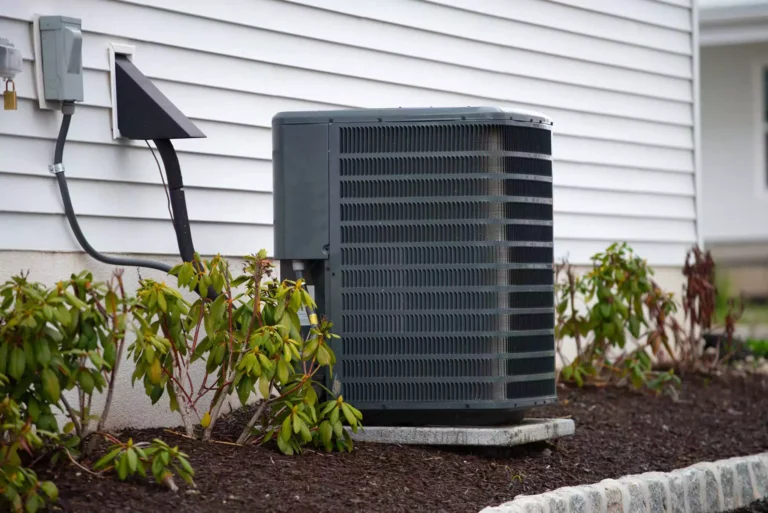
- Coil cleaning: We clear the condenser coil of grass clippings, cottonwood, and dust, and inspect the evaporator coil for buildup that blocks airflow and heat transfer.
- Airflow verification: We check the blower, filter, and duct performance because reduced airflow is behind a large share of comfort complaints and frozen coils.
- Drainage and controls: We flush the condensate drain to prevent water damage and confirm the thermostat reads and cycles the equipment correctly.
Every measurement we take gets compared against the equipment’s rated performance. That comparison is what separates a genuine tune-up from a superficial one. A capacitor that reads fifteen percent below its rating still runs the system, but it is a clear warning that a failure is coming, and replacing it during a scheduled visit is far cheaper and less disruptive than an emergency call.
The Payoff: Efficiency, Reliability, and Longer Equipment Life
The most immediate benefit of regular maintenance is energy efficiency. A clean, correctly charged air conditioner moves heat out of your home using the least possible electricity. When a condenser coil is coated in debris, the system cannot reject heat effectively, so it runs longer cycles and pulls more power to reach the same temperature. Over a full cooling season, that inefficiency adds up on your utility bill. Maintenance restores the heat transfer surfaces and airflow paths that the system depends on to stay efficient.
Reliability is the second major payoff. Most air conditioning breakdowns are not sudden. They build up over months as a capacitor weakens, a contactor burns, or a refrigerant leak slowly drains the charge. Because we catch these developing issues during scheduled visits, we prevent the majority of the emergency failures that leave homes without cooling during a heat wave. For a family with young children, elderly relatives, or anyone sensitive to heat, that reliability is more than a convenience.
The third benefit is equipment lifespan. Air conditioners are a significant investment, and the difference between a system that lasts ten years and one that lasts eighteen often comes down to how well it was maintained. Every component that runs within its rated tolerance experiences less stress. The compressor, which is the single most expensive part of the system, is protected when refrigerant charge, airflow, and electrical supply are all kept correct. Maintenance is the least expensive way to protect that investment.
Timing Maintenance for the Illinois Climate
Sugar Grove summers bring high heat and humidity, and the local environment adds its own challenges. Spring cottonwood, grass clippings from regular mowing, and fine agricultural dust all settle into outdoor condenser units. This is why the best time to schedule cooling maintenance is in the spring, before the system carries a heavy daily load. Servicing early means any needed part or adjustment is handled before the demand of peak summer arrives.
For most residential systems, one cooling maintenance visit per year is the right frequency. Homes with pets, homes near open fields, or systems that run nearly continuously through the summer may benefit from additional attention. Commercial systems often need more frequent service because they run longer hours and serve larger spaces where a failure affects customers, employees, and inventory. We help each client set a schedule that matches how hard their equipment actually works rather than applying a one-size-fits-all rule.
Maintenance for Both Homes and Businesses
The physics of cooling do not change between a house and a commercial building, but the scale and stakes do. In a home, the priority is comfort and keeping monthly costs predictable. In a business, cooling protects productivity, keeps customers comfortable, and in some cases safeguards temperature-sensitive equipment or products. Four Suns Heating & Cooling, Inc. maintains both, and we adapt our approach to the demands of each setting.
Because we service all makes and models, we are comfortable working on the wide variety of equipment installed across the area, from standard split systems in single-family homes to rooftop units and multi-zone commercial setups. Our familiarity with different manufacturers means we know the common weak points of each system type and where to focus attention. That knowledge lets us provide meaningful preventive care instead of a generic inspection.
Here is how maintenance priorities typically differ between the two settings we serve:
- Residential focus: Comfort consistency, quiet operation, humidity control, and keeping seasonal energy costs manageable for the household budget.
- Commercial focus: Uptime during business hours, capacity to handle high occupancy loads, coordinated service on multiple units, and minimizing any disruption to daily operations.
Schedule Your AC Maintenance
Whether you have skipped a season or two of service or you simply want to stay ahead of problems, a maintenance visit is the most cost-effective step you can take to protect your cooling system. Our technicians bring the tools to measure real performance and the experience to interpret what those numbers mean for your specific equipment. We serve Sugar Grove along with Naperville, Plainfield, Warrenville, & Wheaton, IL, and we tailor every visit to the condition and age of the system in front of us.
Four Suns Heating & Cooling, Inc. is ready to help you keep your air conditioner running at its designed efficiency through the hottest months. Reach out to arrange a maintenance appointment, ask about a recurring service plan, or discuss the current condition of an older system. Regular care today is what keeps your home or business cool, comfortable, and free of unexpected breakdowns when you need reliable cooling the most.