Understanding VRF Systems: Advanced Climate Control Technology
Variable Refrigerant Flow (VRF) systems represent one of the most sophisticated HVAC technologies available today, offering unprecedented control over indoor climate conditions. These systems have revolutionized how we approach heating and cooling in both residential and commercial applications, providing energy-efficient solutions that adapt to the specific needs of each space. At Four Suns Heating & Cooling, Inc., we specialize in designing and installing VRF systems that deliver optimal comfort while significantly reducing energy consumption compared to traditional HVAC setups.
The technology behind VRF systems originated in Japan during the 1980s and has since become a preferred choice for buildings requiring precise temperature control across multiple zones. Unlike conventional systems that operate at fixed speeds, VRF technology uses inverter-driven compressors that continuously adjust their output based on the exact cooling or heating demands of each zone. This variable capacity operation means the system only produces the exact amount of heating or cooling needed at any given moment, eliminating the energy waste associated with constant on-off cycling found in traditional systems.
How VRF Systems Transform Indoor Comfort
The core advantage of VRF technology lies in its ability to simultaneously heat and cool different areas within the same building. This heat recovery capability makes VRF systems particularly valuable in commercial settings where occupancy patterns and thermal loads vary significantly throughout the day. For instance, a south-facing office might require cooling while a north-facing conference room needs heating during the same afternoon. VRF systems accomplish this by transferring excess heat from areas being cooled to zones requiring heating, achieving remarkable energy efficiency in the process.
Our installation teams at Four Suns Heating & Cooling, Inc. have implemented VRF solutions across Naperville, Warrenville, Wheaton, and Plainfield, witnessing firsthand how these systems transform indoor environments. The refrigerant piping network that connects outdoor units to multiple indoor units requires significantly less space than traditional ductwork, making VRF systems ideal for retrofitting older buildings or maximizing usable space in new construction. This compact design doesn’t compromise performance; modern VRF systems can connect up to 64 indoor units to a single outdoor unit, providing individualized comfort control for each space.
Technical Specifications and System Components
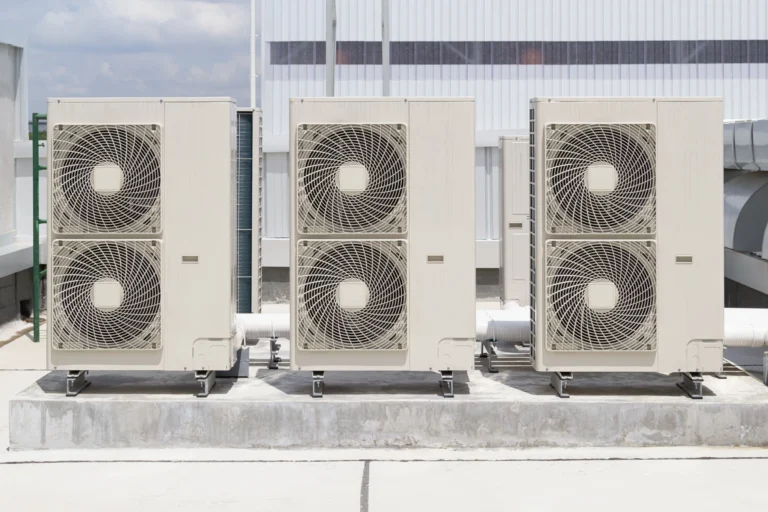
VRF systems consist of several key components working in harmony to deliver precise climate control. The outdoor condensing unit houses the variable-speed compressor, which adjusts its output from 10% to 100% capacity based on real-time demand. Advanced sensors continuously monitor refrigerant pressure, temperature, and flow rates, allowing the system to optimize performance automatically. Indoor units come in various configurations including wall-mounted, ceiling cassette, concealed ducted, and floor-standing models, each designed to blend seamlessly with different architectural styles and space requirements.
The refrigerant piping system serves as the backbone of VRF technology, utilizing sophisticated branch controllers and headers to distribute refrigerant precisely where needed. Modern VRF systems employ R-410A refrigerant, though newer models are transitioning to lower Global Warming Potential (GWP) refrigerants in response to environmental regulations. The piping network includes electronic expansion valves at each indoor unit, enabling precise control of refrigerant flow and ensuring optimal heat exchange efficiency. Our technicians undergo specialized training to properly size and install these piping networks, as correct design is crucial for system performance and longevity.
Energy Efficiency and Cost Savings Analysis
The energy efficiency of VRF systems typically exceeds traditional HVAC equipment by 20-40%, translating to substantial utility cost savings over the system’s lifetime. These efficiency gains stem from several factors including variable-speed operation, heat recovery capabilities, and the elimination of duct losses. Industry studies indicate that VRF systems achieve Integrated Energy Efficiency Ratio (IEER) ratings between 15 and 22, compared to conventional rooftop units that typically range from 11 to 14. This superior efficiency has made VRF technology increasingly attractive as energy costs rise and environmental regulations tighten.
We analyze each building’s unique characteristics to calculate potential energy savings before recommending VRF installation. Factors such as building orientation, occupancy patterns, internal heat loads, and local climate conditions all influence system performance. In commercial applications throughout the surrounding areas we serve, we’ve documented annual energy savings ranging from $0.50 to $1.50 per square foot compared to traditional VAV systems. These savings, combined with available utility rebates and tax incentives, often result in payback periods of three to seven years, making VRF systems a sound long-term investment.
Applications and Industry Trends
VRF technology excels in diverse applications, from multi-family residential buildings to complex commercial facilities. Hotels particularly benefit from VRF systems, as guest room occupancy varies dramatically and individual comfort preferences differ widely. Educational facilities leverage VRF technology to maintain optimal learning environments while minimizing energy consumption during unoccupied periods. Healthcare facilities appreciate the precise temperature and humidity control VRF systems provide, essential for patient comfort and regulatory compliance.
Current industry trends show increasing adoption of VRF systems integrated with building automation systems and IoT connectivity. These smart integrations enable remote monitoring, predictive maintenance, and advanced energy management strategies. Manufacturers continue developing systems with improved cold-climate performance, making VRF technology viable even in extreme weather conditions. As a family-owned and operated company that offers complete heating, cooling, and air quality systems for residential and commercial applications, we stay current with these technological advances to provide our customers with cutting-edge solutions.
Maintenance Requirements and System Longevity
Proper maintenance ensures VRF systems deliver optimal performance throughout their 20-25 year expected lifespan. Regular maintenance tasks include:
- Quarterly filter cleaning or replacement to maintain proper airflow and indoor air quality
- Annual refrigerant level checks to detect and address any leaks promptly
- Bi-annual coil cleaning for both indoor and outdoor units to maximize heat transfer efficiency
- Annual electrical connection inspections to prevent component failures
- Continuous monitoring of system diagnostics through built-in error detection capabilities
We service all makes and models of systems, ensuring your VRF investment continues delivering comfort and efficiency year after year. Our technicians receive ongoing manufacturer training to stay current with evolving VRF technology and diagnostic procedures. This expertise allows us to identify potential issues before they become costly repairs, maximizing system uptime and performance.
Making the Right Choice for Your Building
Selecting the appropriate HVAC system requires careful consideration of multiple factors including building size, usage patterns, budget constraints, and long-term operational goals. VRF systems offer compelling advantages for many applications, but determining their suitability requires professional analysis. We will customize new systems to meet your individual needs, conducting thorough load calculations and energy modeling to ensure optimal system sizing and configuration. Our comprehensive approach considers initial investment costs, operational expenses, maintenance requirements, and expected system lifespan to help you make an informed decision that aligns with your specific objectives and constraints.